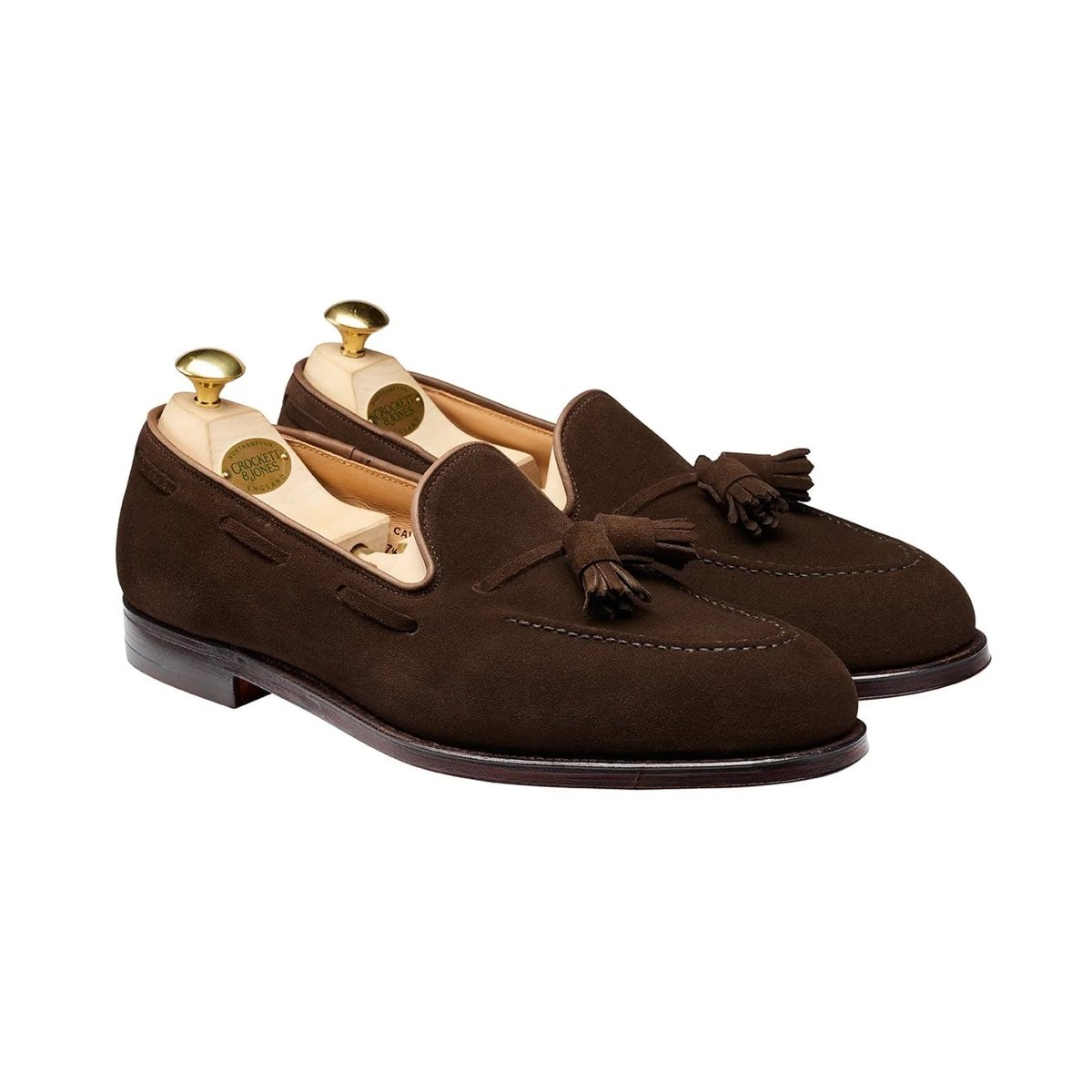
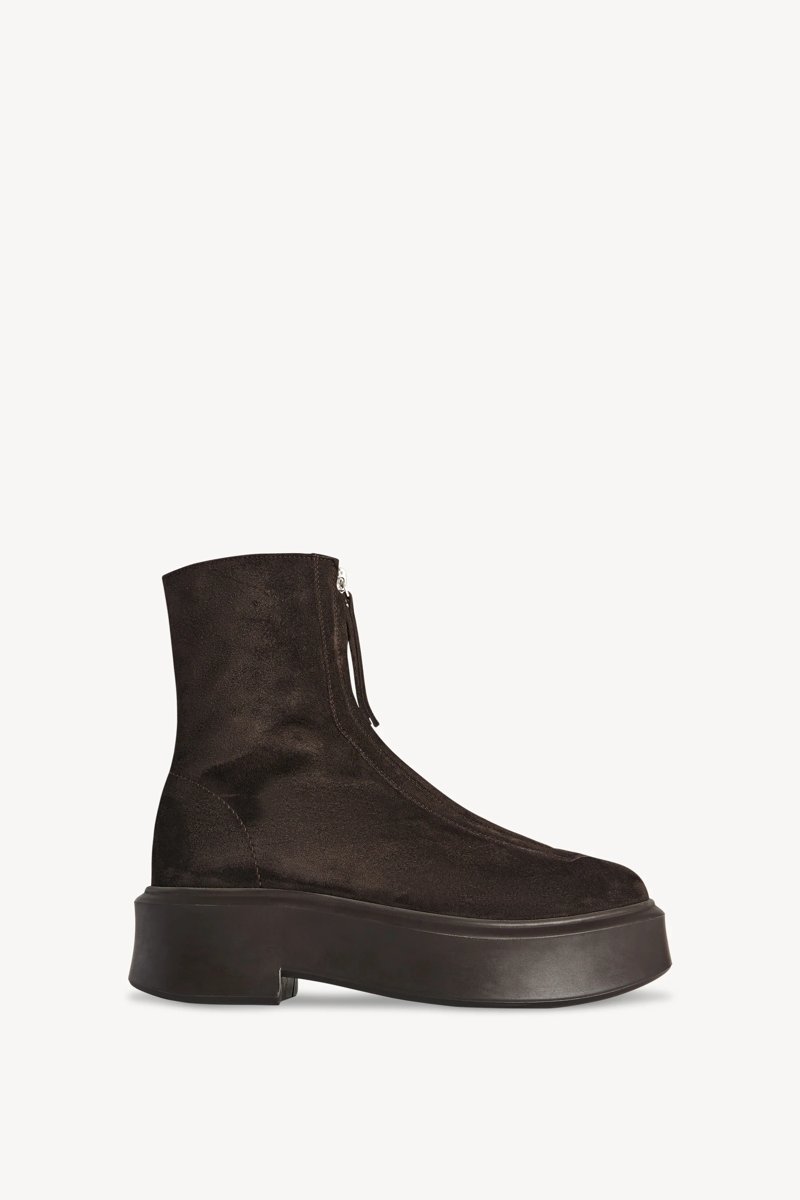
CROCKETT & JONES's "Cavendish 3" is a quintessential tassel loafer, versatile enough for both business and casual settings. As a classic model, choosing the right size is crucial for comfort. This article comprehensively explains everything you need to know about sizing before buying, from the characteristics of the 375 last, which creates a modern fit, to UK and Japanese size conversions, understanding width, and differences due to material.
KEY POINTS — Article Summary
- Prices start from ~¥105,462. Truetagg allows you to compare offerings from multiple retailers.
- Made on the 375 last for a modern fit. Sizes are in UK, with a standard E width in Japan.
- The basic approach is to choose based on your usual leather shoe size, considering material properties (e.g., stiffness of calf, softness of suede).
Features and Size Range Overview
The Cavendish 3 is a tassel loafer characterized by its modern fit, achieved with the 375 last. Crafted by the venerable British shoemaker CROCKETT & JONES, this model is a central figure in the brand's loafer collection. While the upper's tassel decoration is iconic, the overall form is refined, offering versatility for a wide range of coordinates, from dressy styles to relaxed weekend wear. Made with a Goodyear welt construction, it boasts high durability and allows for sole replacement, making it a pair that can be cherished for many years.

Sizes are expressed in UK sizing, the British standard, and are available in half-size increments. The width, which indicates foot girth, is primarily distributed as the standard "E width" in Japan. In addition to classic calf and suede, there are several variations, including specially processed cavalry calf. These material differences affect not only the visual impression but also how the leather stretches and how quickly it molds to the foot, making them important factors to consider when choosing a size. Understanding your precise foot size and characteristics, along with the properties of the materials, is the first step to finding the optimal pair.
Choosing the 375 Last Size
When choosing a size, the basic approach is to consider the same size or a half-size down from your usual size in other British-made leather shoes. The 375 last is designed to blend the brand's tradition with modern demands, and understanding its characteristics is key to accurate sizing. Since there are no official measurements for specific foot dimensions, general conversion charts should only be used as a guide, and the last shape, width, and material properties must be considered comprehensively.

Characteristics and Fit of the 375 Last
The 375 last is a modern update to the traditional 325 last, which was used for classic loafers. The biggest improvement is in the heel cup, which is designed to be smaller than the 325. This reduces heel slippage, common in loafers, and enhances overall foot hold. Meanwhile, the toe box maintains a moderately rounded shape, providing a comfortable fit with less pressure on the toes. The instep height is standard, and it is said to fit Japanese foot shapes relatively well. This excellent fit is one reason it remains comfortable even during prolonged wear.
UK Size and Japanese Size Conversion Guide
It is important to note that the conversion between UK sizes and centimeters used in Japan is only a general guide. Below are some typical conversion examples: UK5.5 is approximately 24.0cm, UK6.0 is approximately 24.5cm, UK6.5 is approximately 25.0cm, UK7.0 is approximately 25.5cm, UK7.5 is approximately 26.0cm, and UK8.0 is approximately 26.5cm. However, this is based solely on foot length, and the optimal size will vary depending on foot width and instep height. Since sneaker sizes have a significantly different standard, it is generally recommended to choose a size 1.0cm to 1.5cm smaller than your sneaker size, but it is important to keep in mind that this also varies greatly from person to person.
How to Choose Your Width
Most Cavendish 3 models distributed in the Japanese market are "E width." This is a standard width for British shoes and is said to correspond to approximately D to EE in Japanese JIS standards. If you don't have unusually wide feet or a high instep, the theory is to try on an E width first. If the E width feels too tight in the width or instep, going up a half-size may improve the fit. Conversely, if it feels loose overall, you could try fine-tuning with an insole, or if possible, look for a narrower width, though availability in Japan is limited.


When purchasing online, it's effective to compare with other leather shoes you own, especially other lasts from CROCKETT & JONES or other British brands (e.g., Tricker's, Church's, Edward Green). Referring to reviews that compare the characteristics of each brand's lasts can lead to more accurate size selection.
Differences in Sizing by Material
The material used for the upper directly influences size selection. Different types of leather vary in stiffness, elasticity, and how they mold to the foot, meaning that even the same size on the 375 last can result in a different fit. Particular attention should be paid to the difference between stiff calf leather and flexible suede, as they may require different sizing approaches.

Calf Leather Sizing
Smooth leathers, such as black calf and cavalry calf, are firm and resilient, and may feel stiff when first worn. However, with wear, they gradually soften due to body heat and moisture, molding to the wearer's foot shape. Considering this "breaking-in" process, it is generally recommended to choose a tight fit when new, meaning a snug fit or slight pressure on the toes or instep. However, avoid sizes that cause pain. While leather stretches, it rarely stretches in length, so if your toes hit the end, the size is too small.
Suede Material Sizing
Napped leathers like dark brown suede are notably softer and more elastic compared to calf leather. This allows for a comfortable feel from the first wear and an easier break-in. Due to this softness, suede tends to stretch more than calf with wear. Therefore, when choosing a suede model, the rule of thumb is to select a fit that is even tighter than calf leather when new, one that firmly envelops the foot. Even if it feels a bit snug, the leather often stretches to an optimal fit after a few wears. Choosing a looser size can lead to heel slippage later on.
Pre-purchase checklist
To choose the optimal size for your Cavendish 3, there are several important points to check during a fitting. Being aware of these checks can prevent size-related regrets after purchase. Since loafers cannot be adjusted with laces, initial size selection is even more crucial. Focus on heel fit, toe room, and instep and width pressure to carefully determine if the shoe fits your foot.

Ideally, try on shoes in the evening when your feet are slightly swollen. Also, remember to wear socks of the thickness you usually wear. Put on both shoes and be sure to walk around the store a bit. The way the shoe feels on your foot and how your heel moves will differ between standing still and walking. While leather shoes will break in with wear, this is merely a change to make them "more comfortable," and it's crucial to understand that a fundamentally ill-fitting size will not become a good fit. This understanding is key to smart size selection.
Check Heel Fit
When trying on, walk a bit to see if your heel lifts excessively. Slight lifting during walking is acceptable, but if your heel completely slips out of the shoe ("heel slippage"), the size is too large.
Check Toe Room
Ensure there is about 1.0cm to 1.5cm of "dead space" at the toe. If your toes hit the end of the shoe or are bent due to pressure, the size is too small.
Check Instep and Width Pressure
Loafers secure the foot around the instep and ankle. While a moderate hold is necessary, strong pressure or pain indicates that the size or width may not be right. Specifically, check that the widest part of your foot is comfortably accommodated.