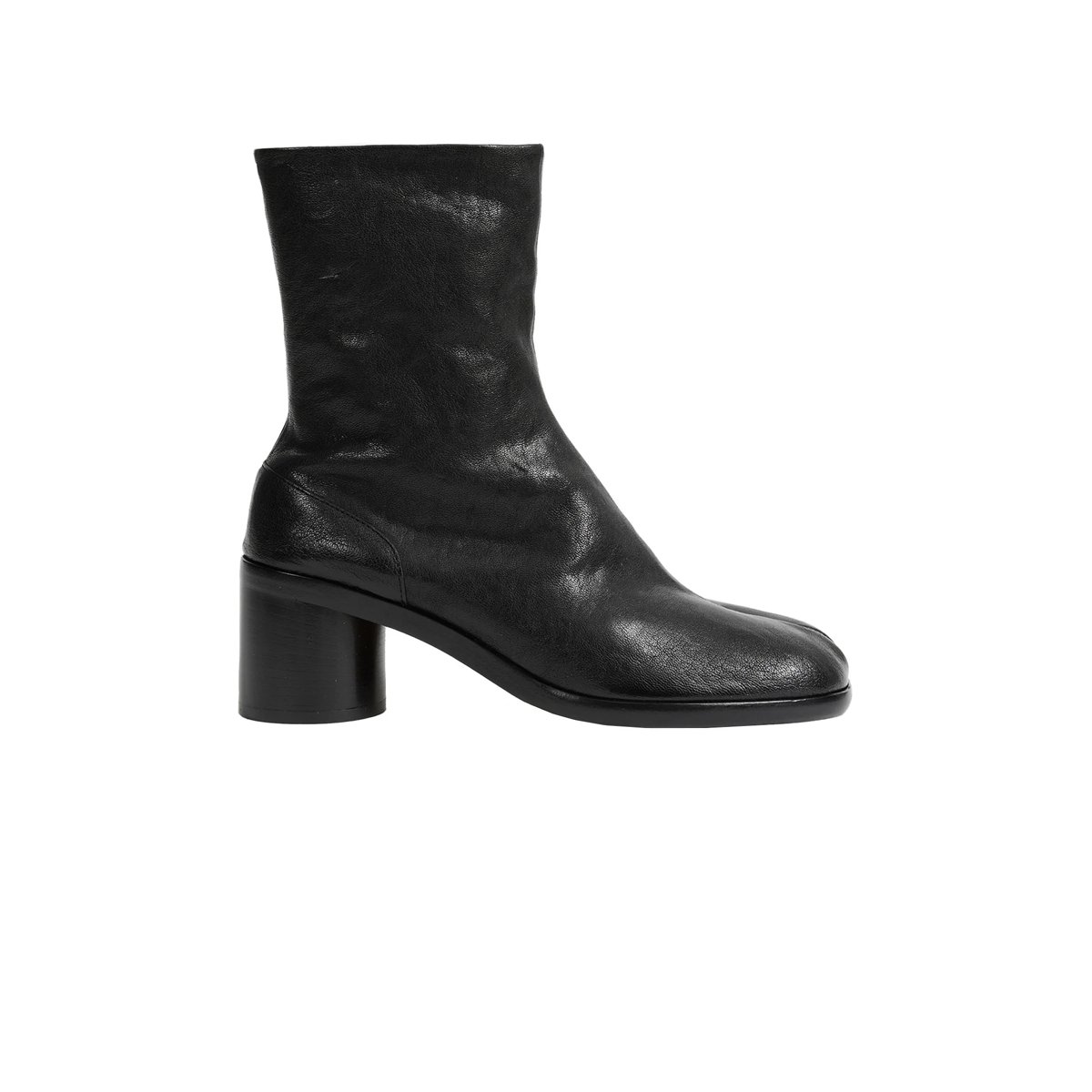
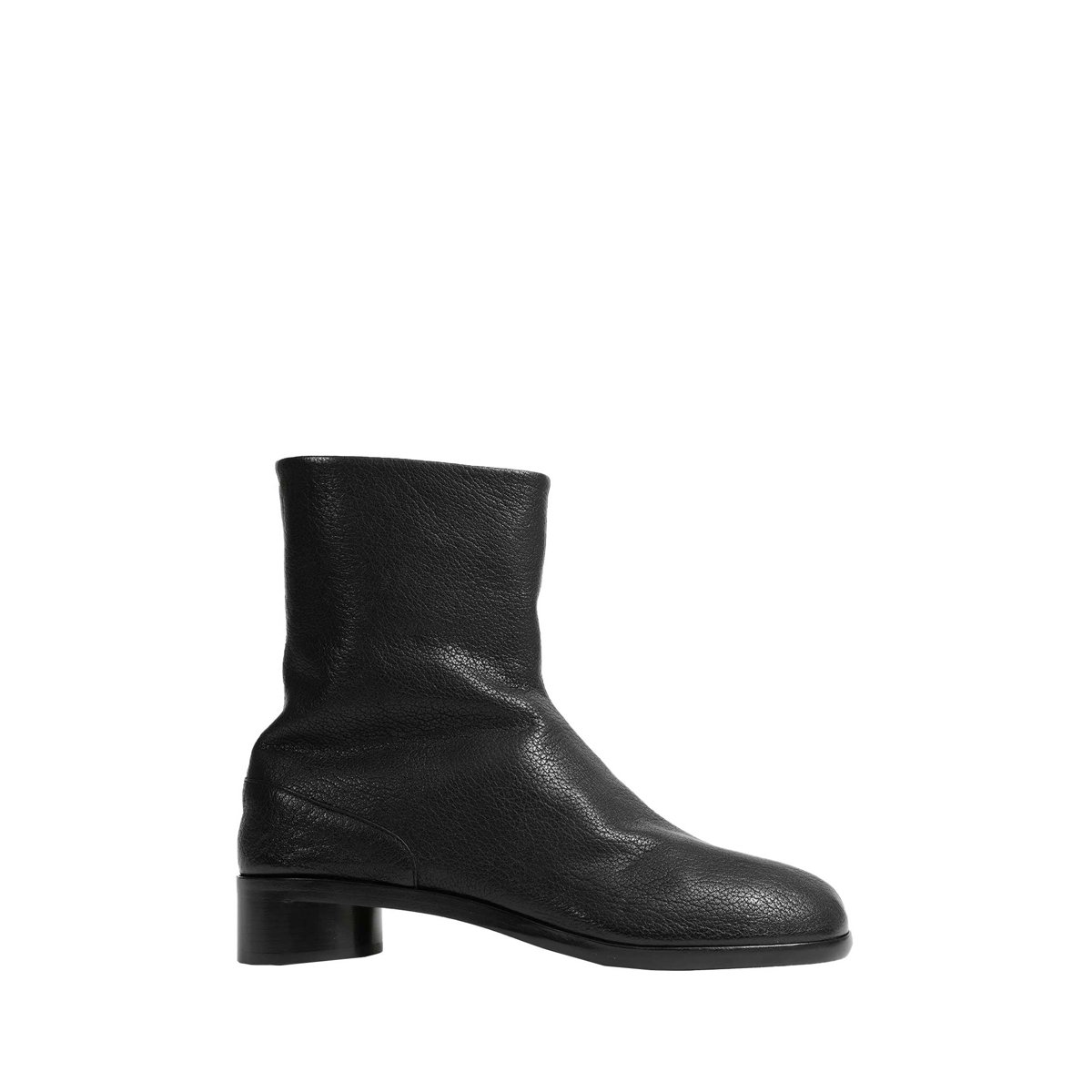
The MAISON MARGIELA Tabi boot, an iconic and timeless design. Due to its unique shape, choosing the right size is the most crucial factor when considering a purchase. As an expensive investment, you want to ensure a perfect fit. This article focuses on Tabi boot sizing, providing specific, buyer-centric advice on how to choose based on your usual shoe size, considering foot shape and model variations. We offer practical information to help you find your ideal pair.
KEY POINTS — Article Summary
- Prices start from ~¥166,330. Truetagg allows you to compare offerings from multiple retailers.
- Features a split-toe design inspired by Japanese tabi socks. Available in materials such as vintage leather, calf leather, and suede.
- For sizing, use your usual IT size as a base, considering a half-size up if you have wider feet or high insteps.
Features and Size Range Overview
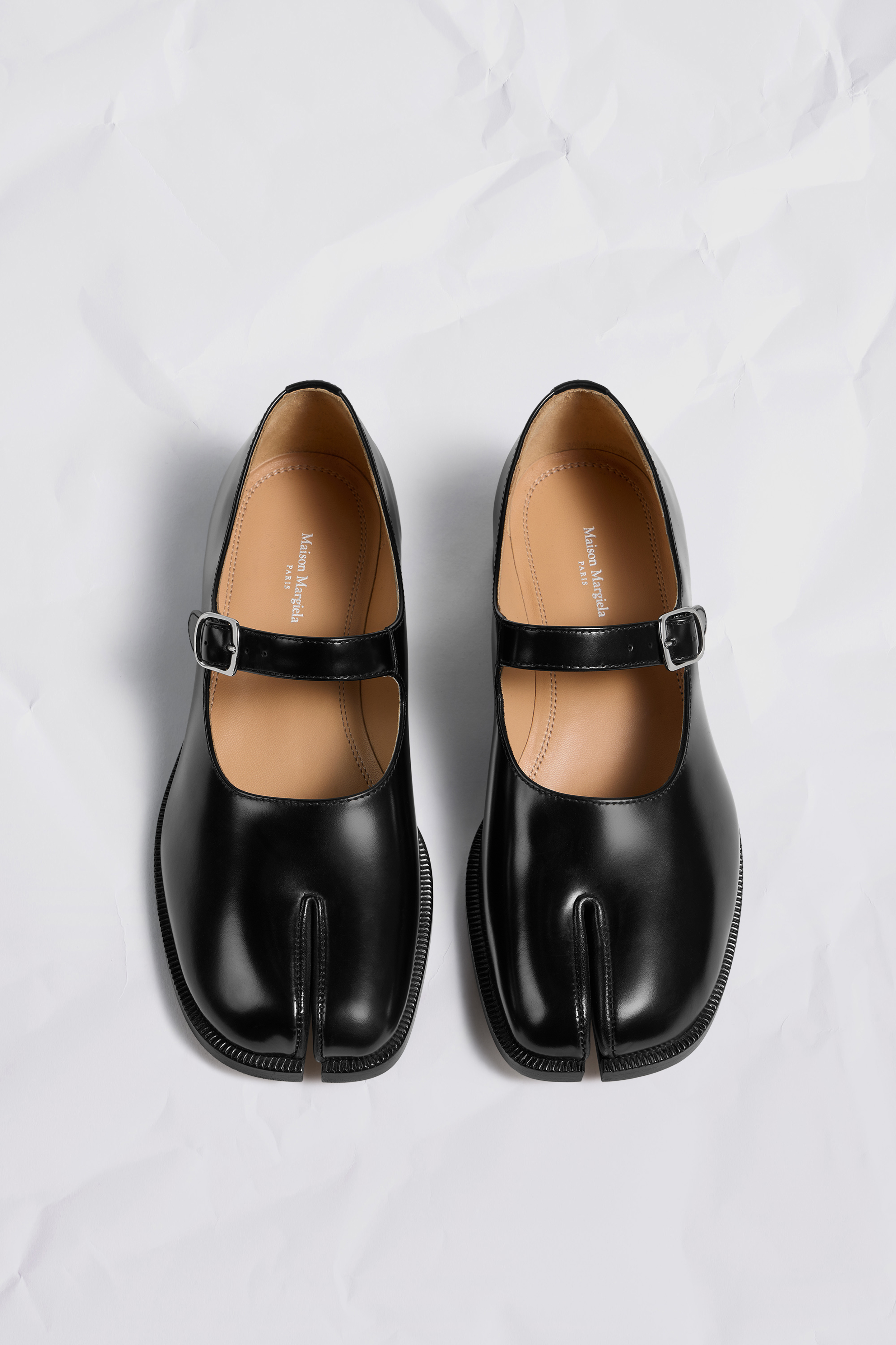
Choosing the right Tabi boot size primarily involves using your usual European size as a reference, while also considering your foot shape and the specific characteristics of the model. The brand's iconic boot features a split-toe, inspired by traditional Japanese tabi footwear, which is its most distinctive characteristic. This unique design creates a distinct fit and feel unlike other boots. Therefore, using the same sizing approach as for regular boots might lead to issues with toe fit or pressure on your toes. Understanding the basic features and overall size range is the first step toward finding your optimal pair.

Sizes are available for both Men and Women, primarily indicated in Italian (IT) sizes. However, MAISON MARGIELA does not officially publish specific last dimensions for Tabi boots. Therefore, size selection often relies on wearer reviews and fitting experiences, based on "no official sizing information." Furthermore, the fit can subtly differ even with the same size label, depending on heel height and the upper material. For example, rigid leather and soft suede have different break-in times and elasticity, requiring different considerations. This article will organize these complex factors and clarify the criteria for selection.
Fit and Sizing Details
Successful Tabi boot sizing involves using your usual shoe size as a reference and adjusting it to your specific foot shape. In particular, three elements—foot width, instep height, and toe length—significantly influence the fit. Beyond simply referring to a size chart, understanding these personal characteristics and comparing them with the specific features of each model will help you choose a pair that remains comfortable even after prolonged wear. Here, we will delve into specific sizing tips for various scenarios.

How to choose based on your usual size
As a first step, use your usual European size (IT/EU size) for leather shoes or boots as a reference. For example, if you typically wear IT37, start by trying IT37 for Tabi boots. However, it's advisable not to use sneaker sizes as a reference. Sneakers often have more room in their construction than leather shoes, so choosing the same size might lead to a poor fit. Because Tabi boots have a split toe, the space between your big toe and index toe significantly affects the fit. If you have longer toes, you might feel cramped, so you should consider going a half-size up.
Sizing Considerations for Foot Width and Instep Height
If you have wide feet or high insteps, we recommend going up a half-size, or in some cases, a full size, from your usual size. Tabi boots are made with a relatively slim last, so wide feet might feel compressed, causing discomfort. This tendency is particularly noticeable with stiff vintage leather models when first worn. The same applies to high insteps, where the boot's instep might dig into your foot. Sizing up creates the necessary room around the width and instep, making it easier to achieve a comfortable fit. While shoe stretchers can be used to stretch the leather after purchase, choosing a size with adequate room from the start is best.


Many Tabi boot-specific socks are also available. Their split-toe design enhances the fit with the boots and helps keep the boot interior clean. They are particularly useful if you prefer not to wear the boots barefoot or need subtle size adjustments.
Differences in Fit Due to Heel Height
Heel height is another important factor influencing size selection. Low-heel models, around 3cm, offer stable balance and less strain on the feet, making size selection relatively forgiving. In contrast, high-heel models, such as 6cm or 8cm, concentrate weight forward, causing the foot to slide forward inside the boot. This "forward slide" can lead to severe pressure on the toes, causing pain or blisters. Therefore, when choosing high-heel models, it is crucial to select a just-fit size. While going down a half-size to prevent forward slide is an option, it requires careful consideration of the foot width.
Compare model-specific features
Tabi boots come in numerous variations based on material, heel shape, and shaft length, each offering different comfort and suitability for various occasions. Understanding these model-specific characteristics, beyond just sizing, is essential for finding a pair that matches your style and intended use. From classic vintage leather to soft suede and dressy patent leather, material differences directly impact fit and maintenance. Here, we compare the features of key models, explaining their benefits and selection tips.

Differences in fit and impression by material
Vintage leather, the most classic material, is thick and often feels stiff when first worn. However, its greatest appeal is how it molds to the wearer's foot shape and softens over time. It's ideal for those who enjoy aging leather, but expect an initial tight fit as it takes time to break in. Calf leather, on the other hand, is smoother with an elegant sheen and is softer from the start than vintage leather. Suede is very soft, offering comfortable wear from the moment of purchase. Its high elasticity makes it a relatively safe choice even for those with wider feet. Patent leather has a strong sheen and a dressy look, but it has very little stretch, so size selection must be done with the utmost care. If it feels even slightly tight, going up a half-size is advisable.
Differences in use based on heel shape and height
The Tabi boot heel primarily features the brand's iconic cylindrical heel. Heights typically range from 3cm, 6cm, and 8cm. The 3cm heel feels similar to flat shoes, making it comfortable for long walks. It's perfect for daily wear and active days, blending naturally with casual styles. The 6cm heel offers the best balance between style enhancement and walkability. It maintains an appropriate level of formality while being versatile enough for a wide range of occasions, from commuting to weekend outings. The 8cm heel has a greater leg-lengthening effect, creating a dressier and more sophisticated impression. It's suitable for party scenes and special occasion outfits, but requires getting used to for long walks. It's important to consider your lifestyle and primary wearing occasions to choose the optimal heel height.
Differences between ankle and long lengths
The most iconic and popular model is the ankle-length boot. Its versatility is appealing, as it pairs well with various bottoms like cropped pants, skirts, and dresses. The visible ankle creates a sense of lightness in the outfit. On the other hand, there are also long boot types that extend below the knee. These are more fashion-forward and impactful, serving as a focal point for autumn/winter styling. You can enjoy different looks than with ankle boots, such as pairing them with mini skirts or shorts, or tucking slim pants into them. However, long boots also require considering the fit around the calf, making size selection slightly more challenging. For a first pair of Tabi boots, it's generally recommended to consider the versatile ankle length first.
Pre-purchase checklist
MAISON MARGIELA Tabi boots are a significant investment. Therefore, before making a final decision, it's crucial to reconfirm several points to avoid regretting issues like "the size didn't fit" or "the material wasn't what I expected." Here, we've compiled a checklist of items to review before purchase, from final size confirmation to material selection, budget balance, and post-purchase maintenance. Checking each of these points will help you confidently choose the optimal pair.

Accurately understand your foot shape
Beyond your usual size, understand if your foot is "wide" or "standard," "high-arched" or "standard," and if you have long big toes or index toes. This forms the basic information for size adjustment.
Determine primary use, material, and heel
If you walk for long periods daily, consider "3cm suede heels"; if for special occasions, "8cm patent leather." Anticipate your main wearing scenarios and narrow down suitable material and heel combinations in advance.
Compare information from multiple retailers
Even for the same model, prices and stock availability vary by retailer. Utilize price comparison platforms like Truetagg to compare multiple options and find the best purchasing conditions.