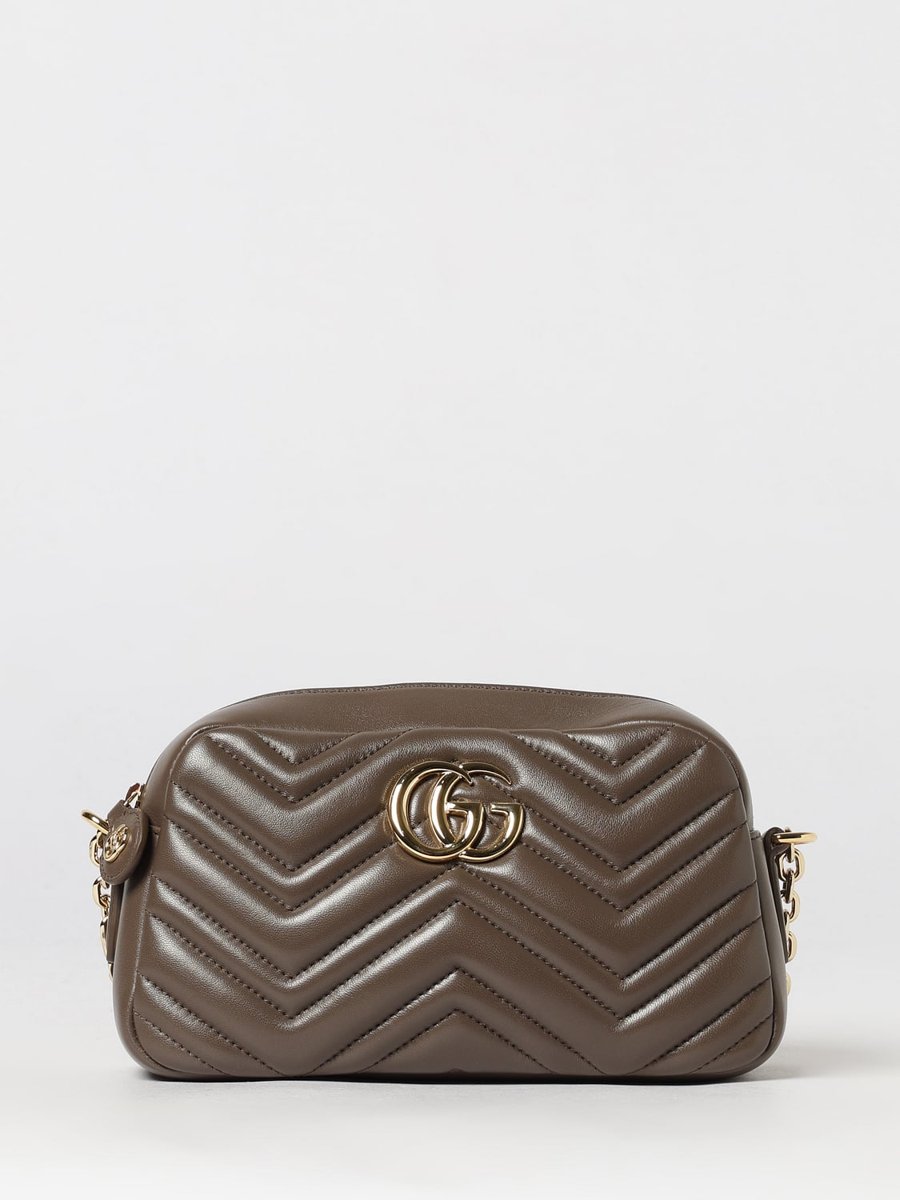
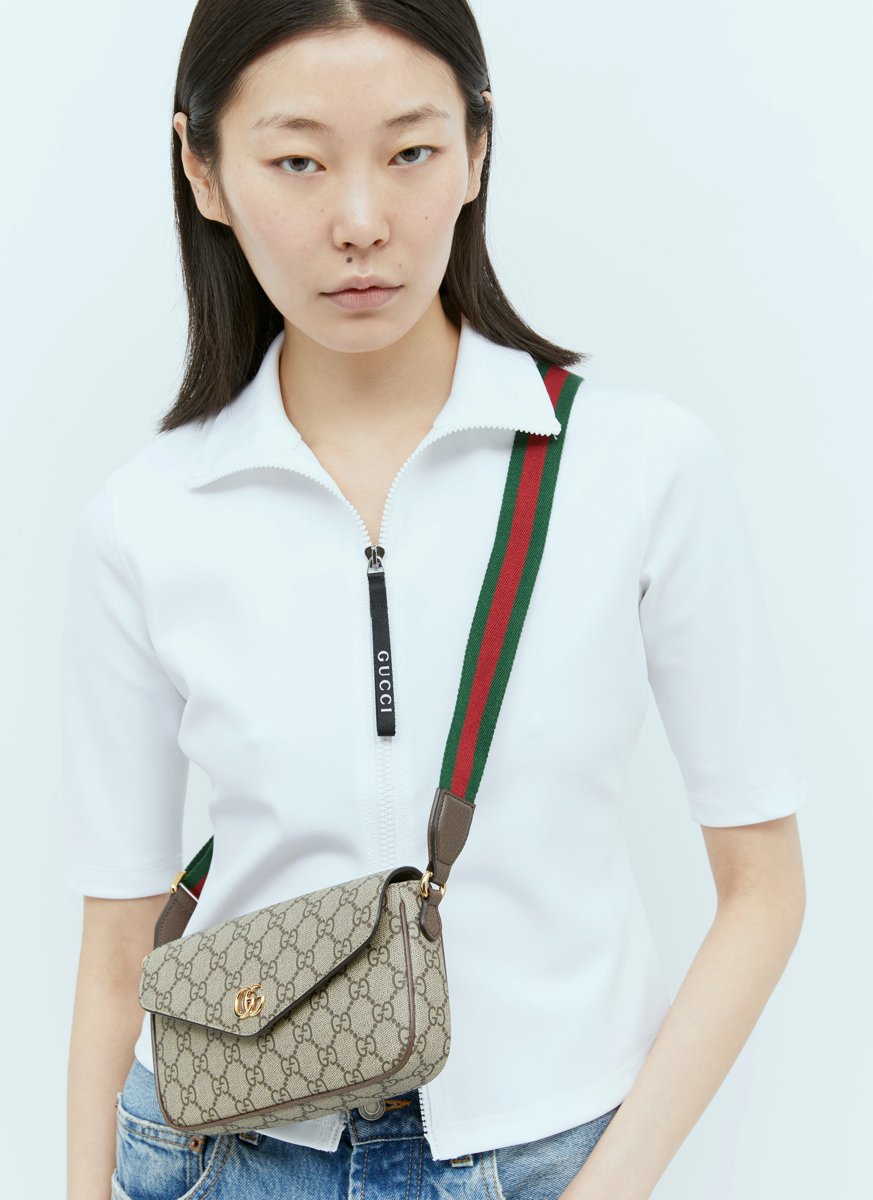
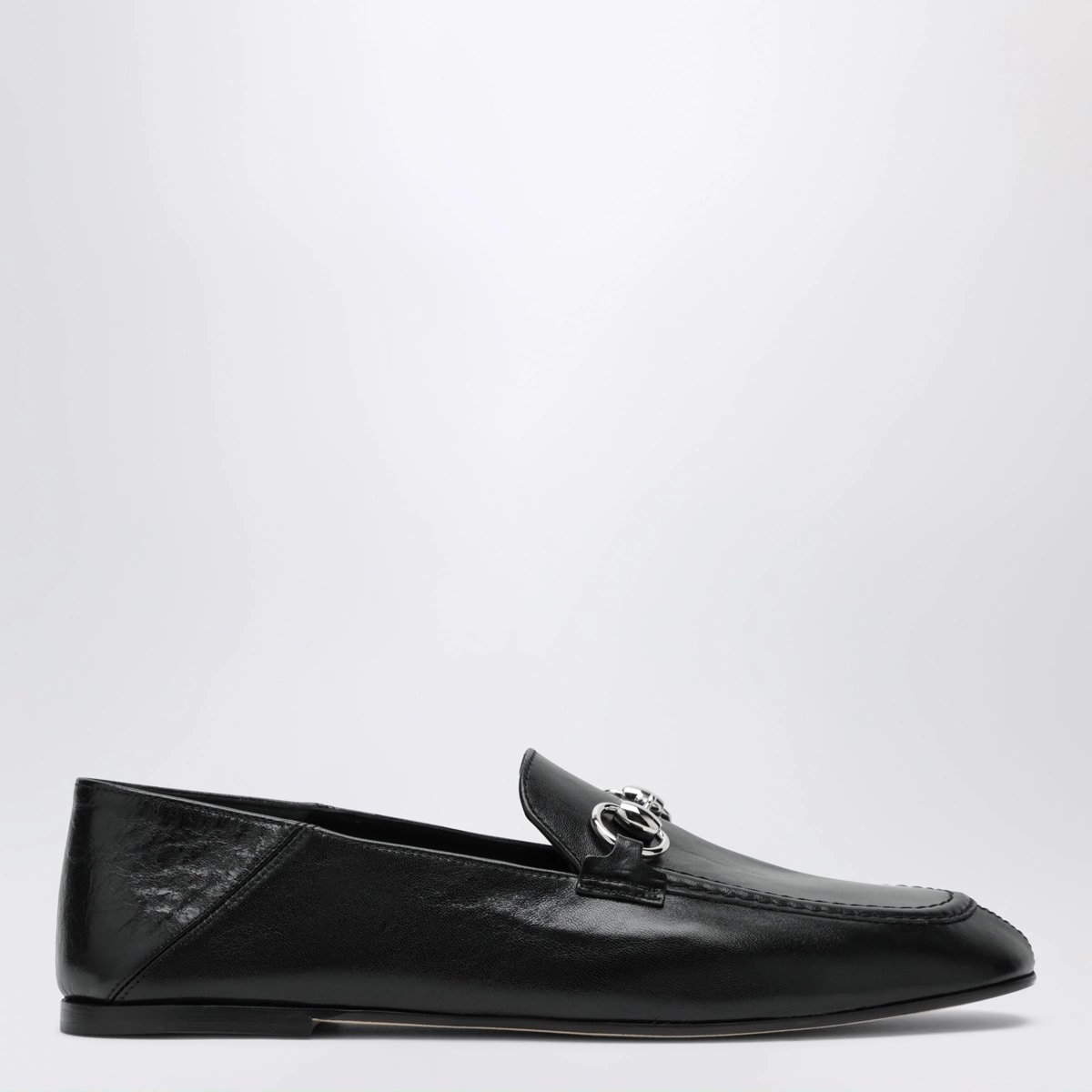
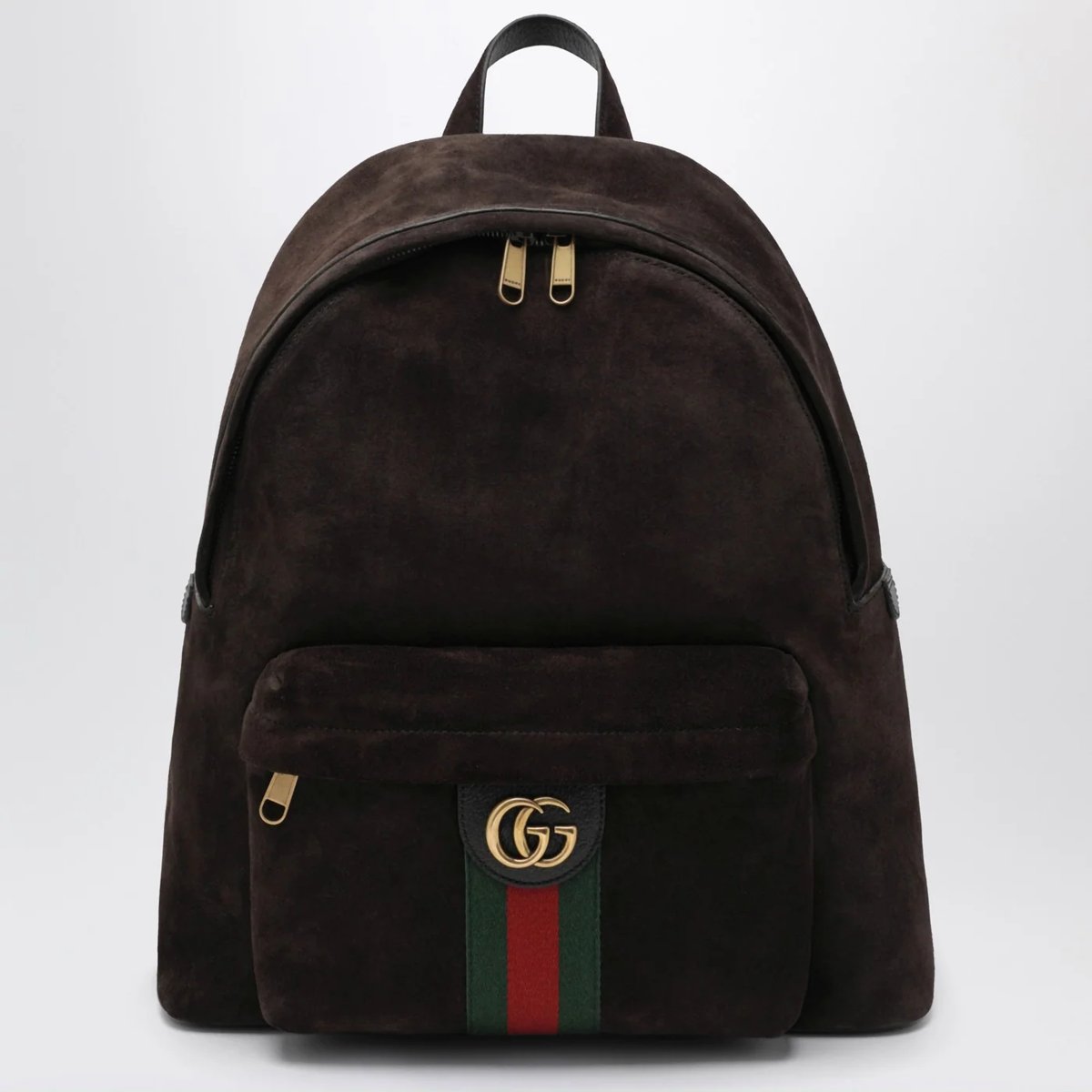
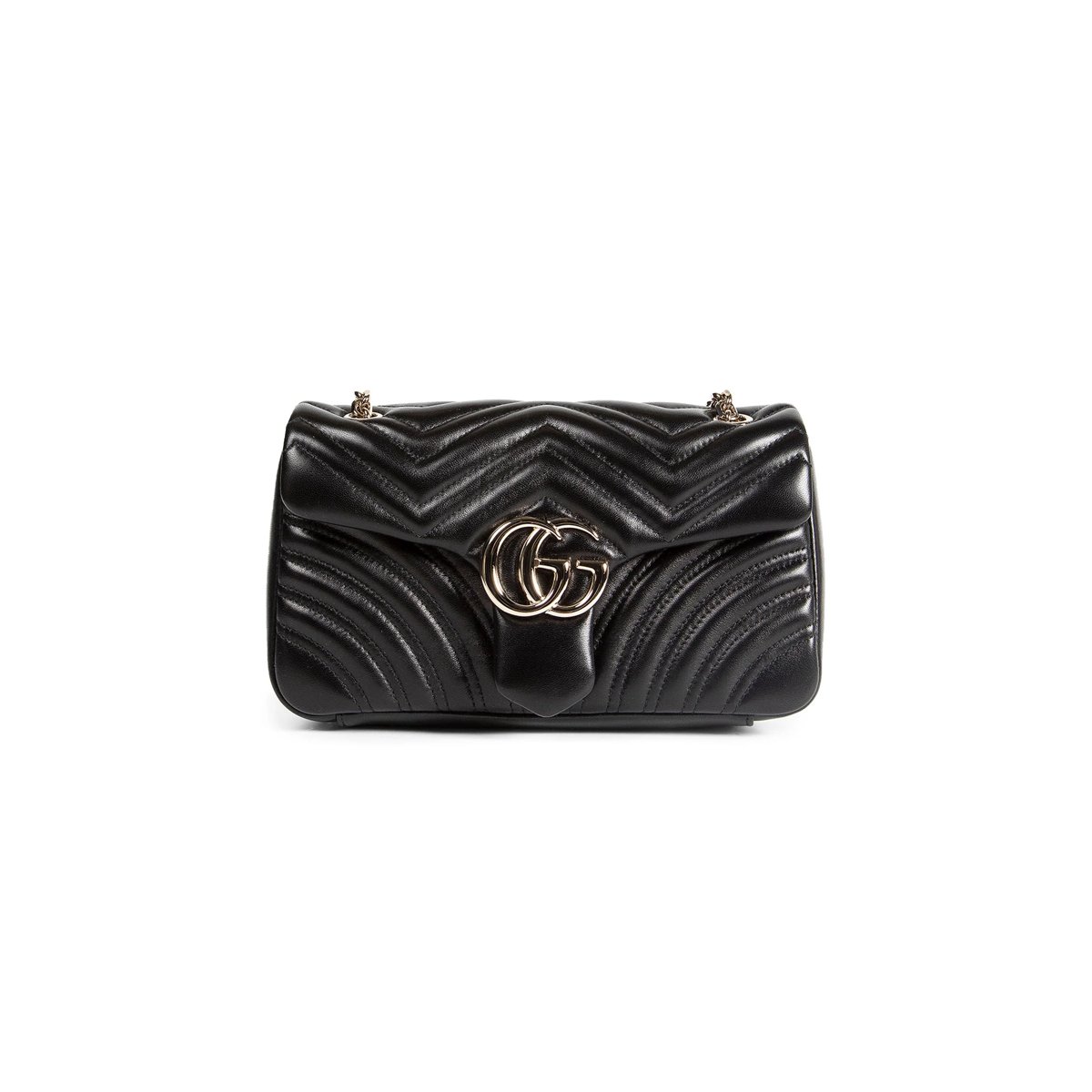
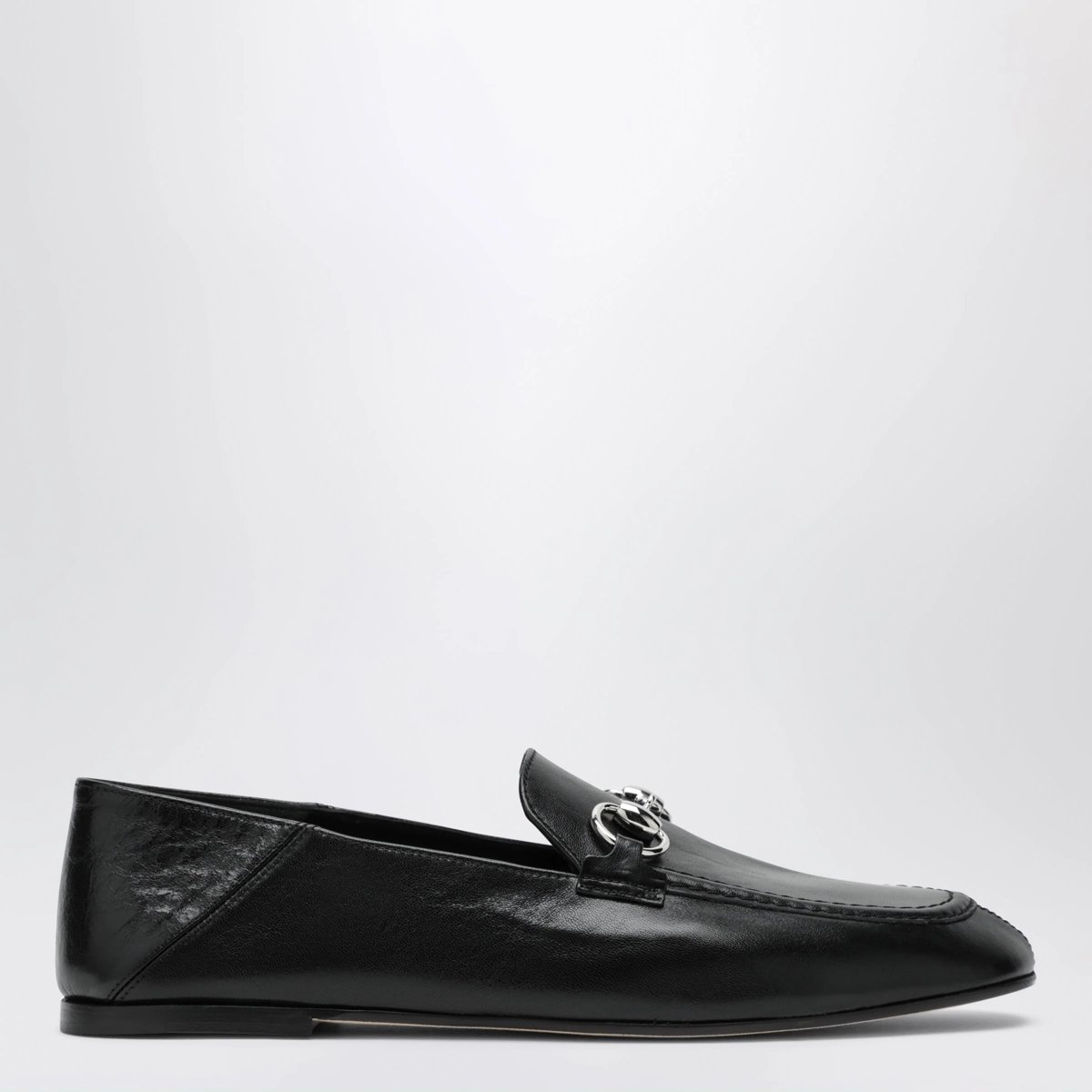
Since its birth in 1953, the Horsebit Loafer has reigned as a GUCCI icon. Featuring metal hardware inspired by the equestrian world, its versatility shines, transitioning seamlessly from formal to casual. This shoe, a fusion of traditional craftsmanship and modern interpretation, is truly a timeless masterpiece. In this article, we'll delve into its historical background, design details, and model differences from a buyer's perspective.
KEY POINTS — Article Summary
- As of Sep 12, 2026, Truetagg compares 350 GUCCI shoes from 15 retailers. The median price is approximately ¥140,000, with half falling between ¥110,000 and ¥160,000.
- Born in 1953, the Horsebit Loafer features metal hardware inspired by a horse's bridle, making it a timeless masterpiece suitable for both formal and casual wear.
- Key models differ: the "1953" has a classic rounded toe, the "Jordaan" a slim toe, and the "Brixton" a collapsible heel.
Stock and prices are based on Truetagg data as of Sep 12, 2026 (including retailer listed prices and currency conversions).
Brand History and Product Positioning
The GUCCI story began when founder Guccio Gucci was inspired by the luggage of the upper class he observed in luxury hotels in London. The equestrian world, particularly the sport of horse riding among British aristocracy, became a key source of inspiration for the brand. The "Horsebit," a motif of horse tack, became its symbol. In the 1950s, his son Aldo Gucci applied this detail to shoes, giving birth to a brand icon. This historical background imbues the product with a narrative beyond mere decoration.
Introduced in 1953, the Horsebit Loafer quickly gained favor among celebrities and cultural figures worldwide for its comfortable fit and elegant design. The combination of traditional moccasin construction, which gently envelops the foot, and dressy metal hardware was groundbreaking for shoes of its time. This innovation, making casual loafers suitable for formal occasions, is why it continues to be loved by so many today. It is now part of the permanent collection at the Museum of Modern Art (MoMA) in New York, proving its significance in fashion history.
Even today, the Horsebit Loafer remains an indispensable staple in GUCCI's collections. Various reinterpretations by successive creative directors have expanded its variations in materials, colors, and silhouettes. While inheriting classic style, it possesses the flexibility to blend into contemporary fashion, offering timeless value unaffected by trends. A single shoe embodies the brand's tradition and philosophy, passed down through generations.
Design and Material Specifications Explained
The universal appeal of the Horsebit Loafer is supported by meticulously designed details and carefully selected premium materials. Here, we break down its structure into three elements: "metal hardware," "construction," and "leather," examining the characteristics of each. Understanding these details is crucial for making an informed decision when choosing a model.
Structure of the iconic metal hardware
The horsebit adorning the upper is a metal ornament, composed of double rings and a bar, mimicking a horse's bridle. This single detail gives simple loafers such a strong identity that they are instantly recognizable as GUCCI products. Primarily made of brass, the hardware comes in various finishes depending on the model, such as gold-tone, silver-tone, or antique-treated. This detail brings sophisticated shine and a classic ambiance to the footwear, defining the overall impression of the shoe.
Construction and structure for comfort
Some models feature "tubular construction," where a single piece of leather wraps the foot like a sock. This method results in fewer seams and a very soft, foot-conforming fit. The insole uses cushioning material to reduce fatigue during long periods of walking. While traditional leather soles are standard, recent models also offer rubber or lug soles for enhanced practicality and design, continually evolving in terms of functionality.


The horsebit is used not only on loafers but also as a detail on bags, belts, and apparel. Combining these items allows for a more consistent expression of the brand's world.
Types of leather used and care
The most classic option is calf leather, known for its smooth texture and elegant sheen. It's a versatile material suitable for everything from business to casual wear. Other variations include soft suede, dressy patent leather, GG Supreme canvas, and even exotic leathers like crocodile. Proper maintenance tailored to the material's characteristics will preserve the leather's natural beauty and ensure long-lasting wear.
Compare key model specifications
GUCCI's Horsebit Loafers include several models that share the same icon but differ in silhouette and details. Understanding their unique features will help you find the pair best suited to your style and purpose. Here, we compare three representative models: "1953," "Jordaan," and "Brixton." Use the comparison table below as a guide to grasp the individuality of each model.

The "1953" is the most classic model, faithfully inheriting the original design. It features a rounded toe and a stable silhouette, possessing a timeless quality unaffected by trends. In contrast, the "Jordaan" has a longer, slimmer toe, offering a more modern form. It makes the foot appear sharper and pairs well with contemporary styling. The "Brixton" shares a similar silhouette with the Jordaan but its key feature is its convertible design, allowing the heel to be folded down for slipper-like wear. It combines functionality with a relaxed feel.
| Item | 1953 Horsebit Loafers | Jordaan Leather Loafers | Brixton Leather Loafers |
|---|---|---|---|
| Silhouette | Classic, slightly rounded toe | Slim, slightly elongated toe | Slim shape, similar to Jordaan |
| Heel specification | Fixed heel counter | Fixed heel counter | Foldable heel counter |
| Recommended Scenes | Business, Formal | Smart casual, urban wear | Relaxed, casual, travel |
| Fit | Standard | Snug fit, half size up may be recommended | Soft, conforms easily to the foot |
| Price Range | From ¥120,000s | From ¥120,000s | From ¥120,000s |
Points to Check Before Purchase
To ensure a satisfying and long-lasting relationship with your chosen pair, we recommend checking a few points before purchase. Fit, sizing, and compatibility with your lifestyle are particularly important factors. Since it's a significant investment, prior research and simulation will lead to a choice you won't regret. Refer to the checklist below to identify the optimal model.
How to choose your size and fitting
Since loafers cannot be adjusted with laces, the initial fit is crucial. Instep height and width can vary significantly between individuals. When trying them on, wear socks of the thickness you usually wear and check that your heel doesn't lift excessively and your toes aren't compressed. It's also important to consider that leather will stretch somewhat with wear.
Check sole type
Leather and rubber soles are the main options. Leather soles are breathable and give a formal impression, but require caution in rain or on slippery surfaces. Rubber soles offer high grip and durability, suitable for active use in any weather. Choose based on your primary use.
Matching Your Wardrobe
Before purchasing, it's important to visualize how they'll coordinate with your existing wardrobe. If mainly for business, opt for black or brown calf leather. For more casual wear, consider suede or colors like white. Use Truetagg to explore various styles and find your perfect pair.